Where presence becomes visible
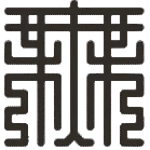
無 Mu — fertile emptiness, the condition that allows presence to emerge
Every gesture needs space to breathe. Without space, form becomes noise, and it is in the emptiness
that precedes the gesture that the possibility of revealing itself is born.
What seems like an empty space is the place of possibilities, not an absence but an emptiness
What seems like an empty space is the place of possibilities, not an absence but an emptiness
that does not define, does not impose, does not ask.
It is perceived in the silent tension between two lines, in the subtle shift of air around a figure, in the way light settles in a corner without announcing itself, creating what becomes limit and perception.
This is where the image begins to take shape, emerging without force, simply happening.
By keeping this empty space open, presence finds its place and lets its essence surface.
This is where the image begins to take shape, not through what is shown, but through what has emerged, because often the space between things reveals more than the things themselves.
It requires a step back, letting the scene unfold without interference, trusting that clarity will appear
It is perceived in the silent tension between two lines, in the subtle shift of air around a figure, in the way light settles in a corner without announcing itself, creating what becomes limit and perception.
This is where the image begins to take shape, emerging without force, simply happening.
By keeping this empty space open, presence finds its place and lets its essence surface.
This is where the image begins to take shape, not through what is shown, but through what has emerged, because often the space between things reveals more than the things themselves.
It requires a step back, letting the scene unfold without interference, trusting that clarity will appear
in its own time.
An emptiness that is not absence, but possibility.